

Unraveling Feline Enigma
Totally Feline CC ™ Case Files
Welcome to the Totally Feline CC™ Case Files, where we delve into the fascinating world of cat behavior. Gain a deeper understanding of our feline friends through real-world observations and insights from our volunteer consulting cases.
Explore a collection of detailed behavior cases, drawn from years of observations and real-client consultations. Each case file offers a unique look into feline behaviors, from the subtle to the perplexing, helping you better understand your own cat.
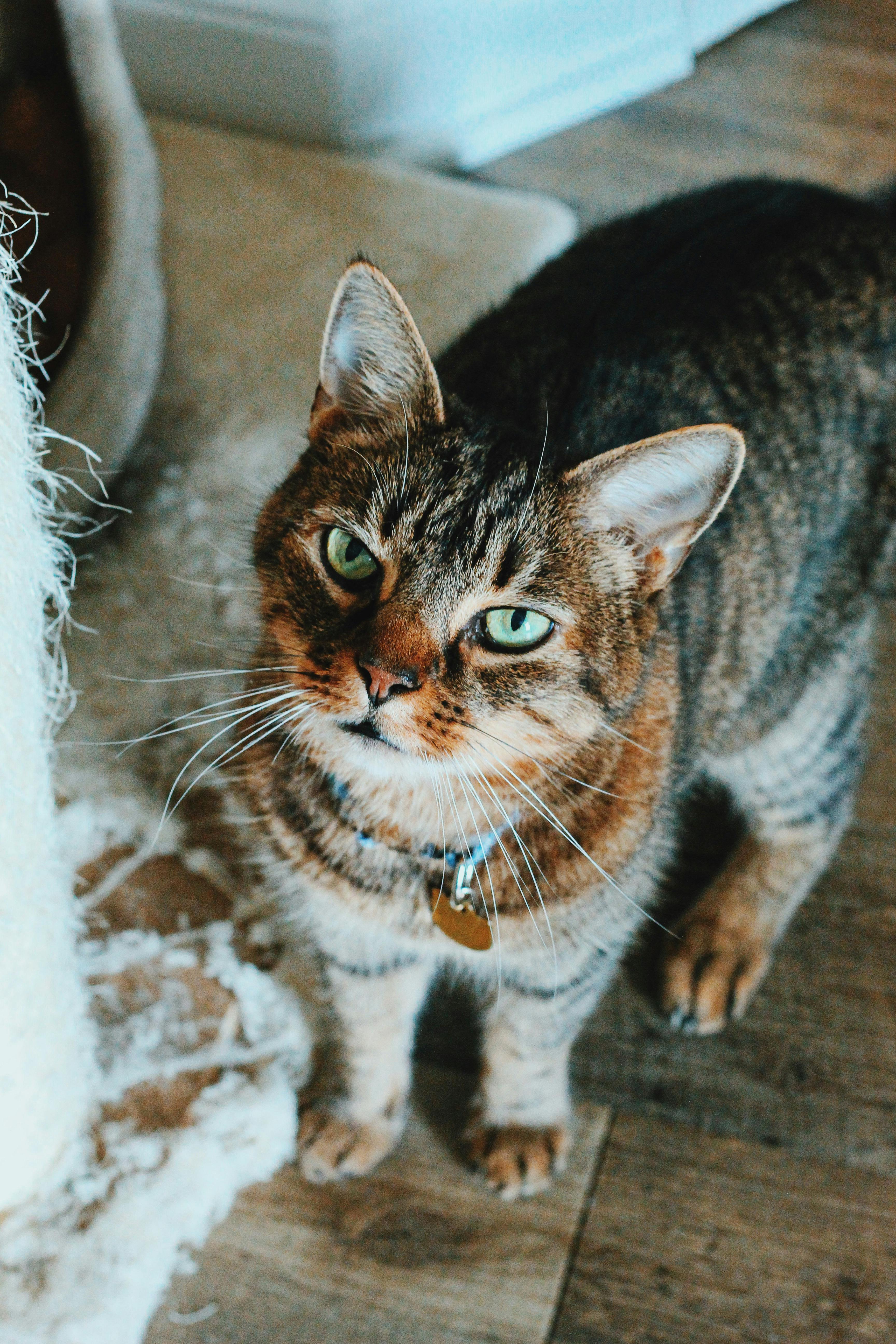
Totally Feline CC ™ Behavior Report
Case Study Log: Behavioral Observation – Fruity
Date: January 22, 2026
Observer: Totally Feline TM, Dee A K
Setting: Private home environment
Background
Fruity is a newly adopted cat residing in a private home with a middle-aged woman and her resident cat. As part of his transition into the home, Fruity has been provided with a designated sanctuary space consisting of a small bathroom intended to offer security, decompression, and gradual exposure to the environment.
During the initial adjustment period, a noticeable shift in Fruity’s behavior has been observed, particularly in relation to bathroom re-entry and response to human interaction.
Behavioral Observations
Fruity is currently displaying multiple indicators consistent with heightened arousal and overstimulation:
- Vocalization: Increased vocal activity, including hissing when approached, even during low-pressure interactions
- Body Posture: Tense presentation; ears intermittently partially flattened
- Movement Patterns: Repetitive pacing and difficulty settling
- Redirected Behavior: Hissing toward the caregiver during interaction attempts
- Social Response: Heightened sensitivity to the presence of the resident cat
Detailed Incident Log
On January 22, 2026, Fruity was allowed out of the bathroom and into her bedroom for supervised individual time. He immediately presented as highly stimulated.
Attempts to initiate play resulted in vocalization and hissing, indicating a low tolerance for engagement. When given space, Fruity engaged in persistent pacing and environmental scanning, frequently orienting toward areas associated with the resident cat.
He demonstrated vertical movement by climbing elevated areas while continuing to vocalize and monitor his surroundings. His behavior appeared driven and repetitive rather than exploratory.
A second attempt at interaction produced similar results. Fruity remained out for approximately 45 minutes, during which multiple reinforcement strategies (lickable treats, wet food, dry treats, catnip, and plate luring) were attempted to encourage bathroom re-entry. Fruity showed minimal interest and resisted returning to his sanctuary space.
Assessment
Fruity’s behavior reflects a difficulty regulating arousal in response to a new environment and social uncertainty. Observed indicators—persistent pacing, scanning, vocal defensiveness, and reduced responsiveness to food—are consistent with stress-related overstimulation.
The presence of the resident cat, even without direct interaction, likely contributes to Fruity’s heightened vigilance. Hissing toward the caregiver appears to be redirected stress behavior rather than intentional aggression.
Enrichment & Stress-Reduction Plan
To support Fruity’s ability to self-regulate and reduce overstimulation, the following targeted strategies are recommended:
1. Controlled, Low-Intensity Play
- Use slow, predictable toy movements (e.g., wand toys kept low to the ground)
- Keep sessions short (1–3 minutes) and end before Fruity escalates
- Avoid fast or erratic play styles that may increase arousal
2. Food-Based Enrichment (Low Pressure)
- Offer enrichment when Fruity is calm, not during peak stress
- Use scatter feeding within the kennel to encourage natural foraging
- Introduce simple puzzle feeders to promote focus and mental engagement
- Rotate high-value items to maintain interest without overwhelming him
3. Decompression-Focused Sanctuary Setup
- Close bathroom window to reduce visual stimuli
- Provide soft bedding and enclosed hiding options (e.g., covered bed or box)
- Limit external noise and foot traffic around the space
4. Scent-Based Enrichment
- Introduce familiar, calming scents (blankets, caregiver scent items)
- Rotate safe scent enrichment (e.g., silvervine, low-level catnip exposure)
- Use scent swapping between Fruity and the resident cat to reduce novelty
5. Visual Barriers & Gradual Exposure
- Reduce direct line-of-sight to the resident cat using barriers or positioning
- Allow controlled, brief exposure sessions at a distance
- Gradually increase exposure only when Fruity shows relaxed body language
6. Predictable Routine
- Maintain consistent feeding, cleaning, and interaction times daily.
- Use calm, repeatable cues before transitions (e.g., returning to kennel)
- Predictability helps reduce anticipatory stress
7. Choice-Based Interaction
- Allow Fruity to initiate contact rather than approaching directly
- Avoid reaching into his space during high arousal periods
- Reinforce calm behaviors with quiet presence rather than active engagement
8. Calming Aids (Optional Support)
- Consider pheromone diffusers designed for feline calming
- Soft background noise (e.g., white noise) may help reduce environmental sensitivity
9. Structured “Cool-Down” Transitions
- Before returning Fruity to the bathroom l, allow a quiet, dim environment
- Avoid attempting re-entry during peak stimulation
- Use passive guidance rather than active coaxing when possible
Outcome Goals
- Reduce pacing, vocalization, and defensive responses
- Increase Fruity’s ability to settle and self-regulate
- Improve tolerance to environmental and social stimuli
- Support a gradual, positive adjustment to the home environment.
Conclusion
Fruity’s behavior is consistent with a cat experiencing overstimulation during a critical adjustment period. These responses, while challenging, are not uncommon in newly adopted cats navigating unfamiliar environments and social dynamics.
With structured enrichment, reduced stimulation, and a focus on predictability and choice, Fruity can develop improved coping mechanisms and a greater sense of security over time
Disclaimer
This behavior report is based on observed behaviors and general feline behavior principles. Each cat is an individual, and responses may vary. While Totally Feline ™ is experienced with working with complex feline behavior problems for persistent or escalating concerns, consultation with a qualified feline behavior professional or veterinarian is recommended.
Copyright
© 2026 Totally Feline™. All rights reserved. This document may not be reproduced, distributed, or used without prior written permission from Totally Feline™.
Create Your Own Website With Webador